European cities are undergoing a period of structural transformation. Rising urban temperatures, increasingly frequent heatwaves, biodiversity loss, and growing pressure on water and energy infrastructure have become measurable realities. In this context, Nature-Based Solutions (NBS) are emerging as a central instrument in European climate adaptation and mitigation policies.
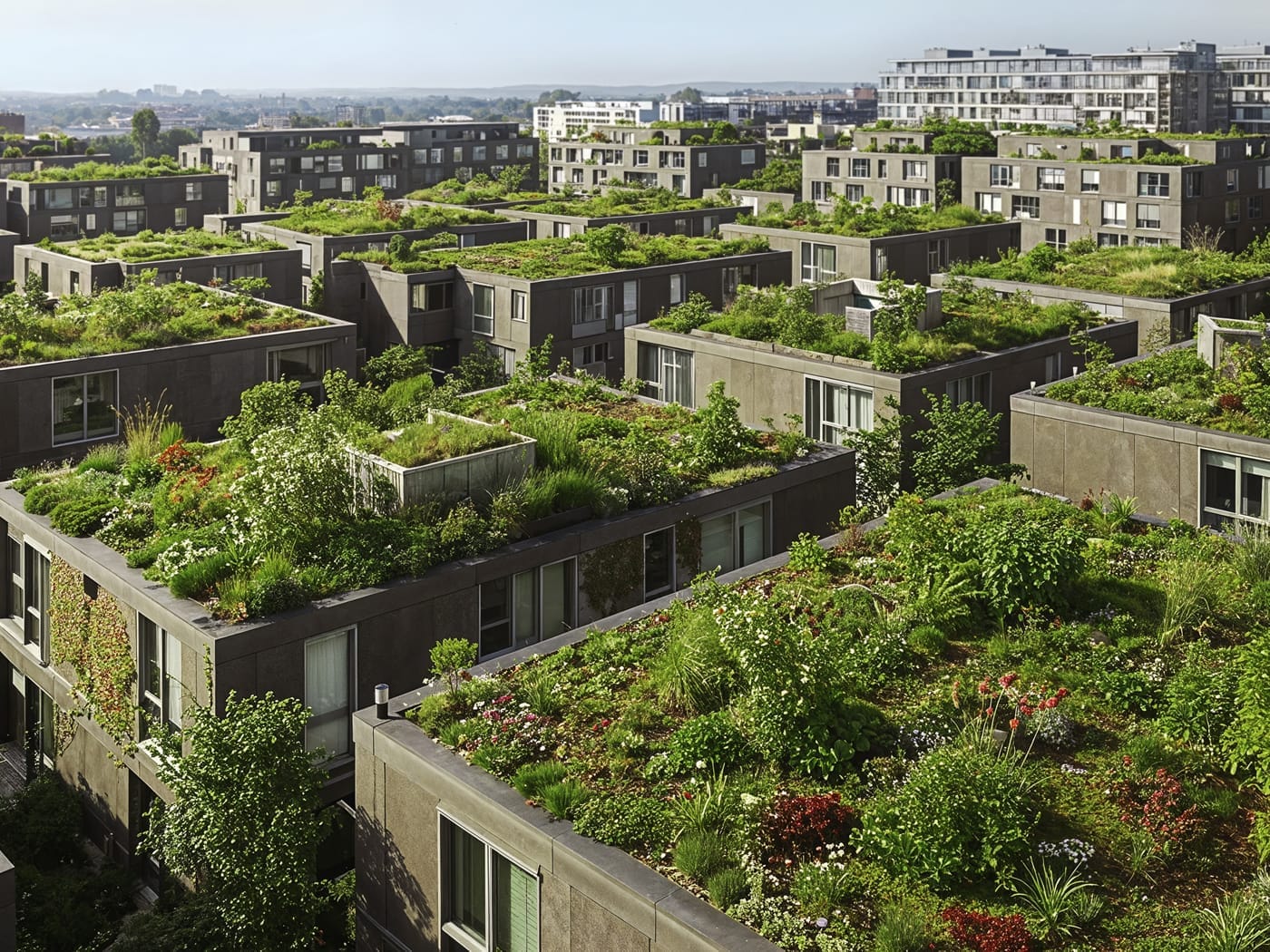
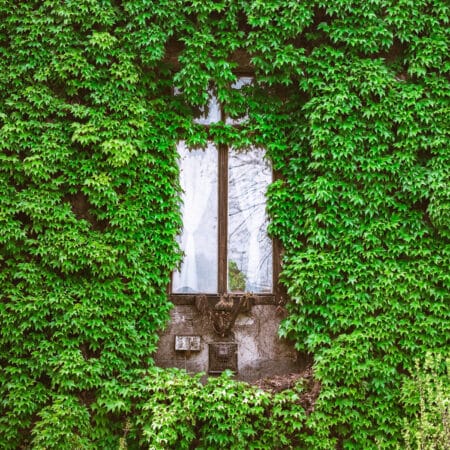
Green roofs and green walls represent one of the most efficient and rapidly deployable such solutions. They transform buildings from passive elements of urban infrastructure into active green infrastructure, delivering climate, economic, and social benefits that have been demonstrated across numerous European countries.
Through natural processes such as evapotranspiration and shading, green roofs contribute to reducing the urban heat island effect, with outdoor temperature decreases of up to approximately 3°C and significant reductions in indoor temperatures under certain climatic conditions. They reduce thermal transfer through the building envelope, which can lead to annual energy savings estimated between 10% and 60%, depending on building typology and the system used. Another major benefit is stormwater management. European studies indicate that green roofs can retain between 55% and 88% of rainfall, reducing pressure on sewer systems and lowering the risk of urban flooding. In cities with undersized or aging infrastructure, this function becomes essential.
Over the medium term, the initial investment is offset by energy savings, extended waterproofing lifespan, and reduced costs related to stormwater management. Examples from Switzerland and Germany indicate payback periods of approximately 5–10 years, provided that an adequate regulatory and incentive framework is in place.
Direct contribution to the European Union’s objectives
The European Green Deal, the EU Biodiversity Strategy for 2030, and the new Nature Restoration Law require Member States to increase urban green areas and reverse their loss, with intermediate targets by 2030 and long-term implementation through 2050. In urban environments, where expanding ground-level green space is often limited, green infrastructure integrated into buildings becomes a strategic instrument.
Green roofs and façades are recognized at European level as Nature-Based Solutions eligible for funding under programs such as LIFE, Horizon Europe, Cohesion Policy instruments, and the Renovation Wave, precisely because they generate multiple simultaneous benefits: climate adaptation, emissions reduction, biodiversity support, and improved public health. Their integration into urban policies represents an opportunity to align with the European framework and to efficiently access available funding.
Countries such as Switzerland, Germany, France, Denmark, and the Netherlands have demonstrated that large-scale implementation of green infrastructure is directly correlated with the existence of clear public policies: minimum requirements for certain building categories, technical standards, design guidelines, and financial incentive mechanisms.
A strategic direction for Romania
In Romania, building-integrated green infrastructure remains at an early stage. There are initiatives in cities such as Bucharest, Cluj-Napoca, and Iași, yet dedicated national standards and explicit provisions in urban planning legislation recognizing green roofs and walls as functional green infrastructure are still lacking. At the same time, Romania is at a key moment in updating urban planning documentation, implementing climate strategies, and utilizing European funds associated with the Green Deal. This context creates a significant strategic opportunity.
Integrating green roofs and façades into General Urban Plans, local urban regulations, and climate adaptation strategies would enable local authorities to address multiple structural challenges simultaneously: the deficit of green spaces in dense areas, rising urban temperatures, pressure on stormwater systems, and the degradation of urban biodiversity.
By defining minimum requirements, establishing clear technical criteria, and creating incentive mechanisms, Romania can transform European obligations into an opportunity for the sustainable modernization of its cities. In the absence of such a framework, there is a risk that objectives regarding the increase of urban green areas will remain formal commitments, without concrete implementation instruments within the built environment.
The Converde brochure presents in detail the benefits of green infrastructure, relevant European examples, and the arguments for integrating green infrastructure into Romanian legislation and public policies.
We invite authorities, construction professionals, developers, and local communities to examine these arguments and to contribute to building a coherent framework for cities that are more resilient, healthier, and more attractive for future generations.