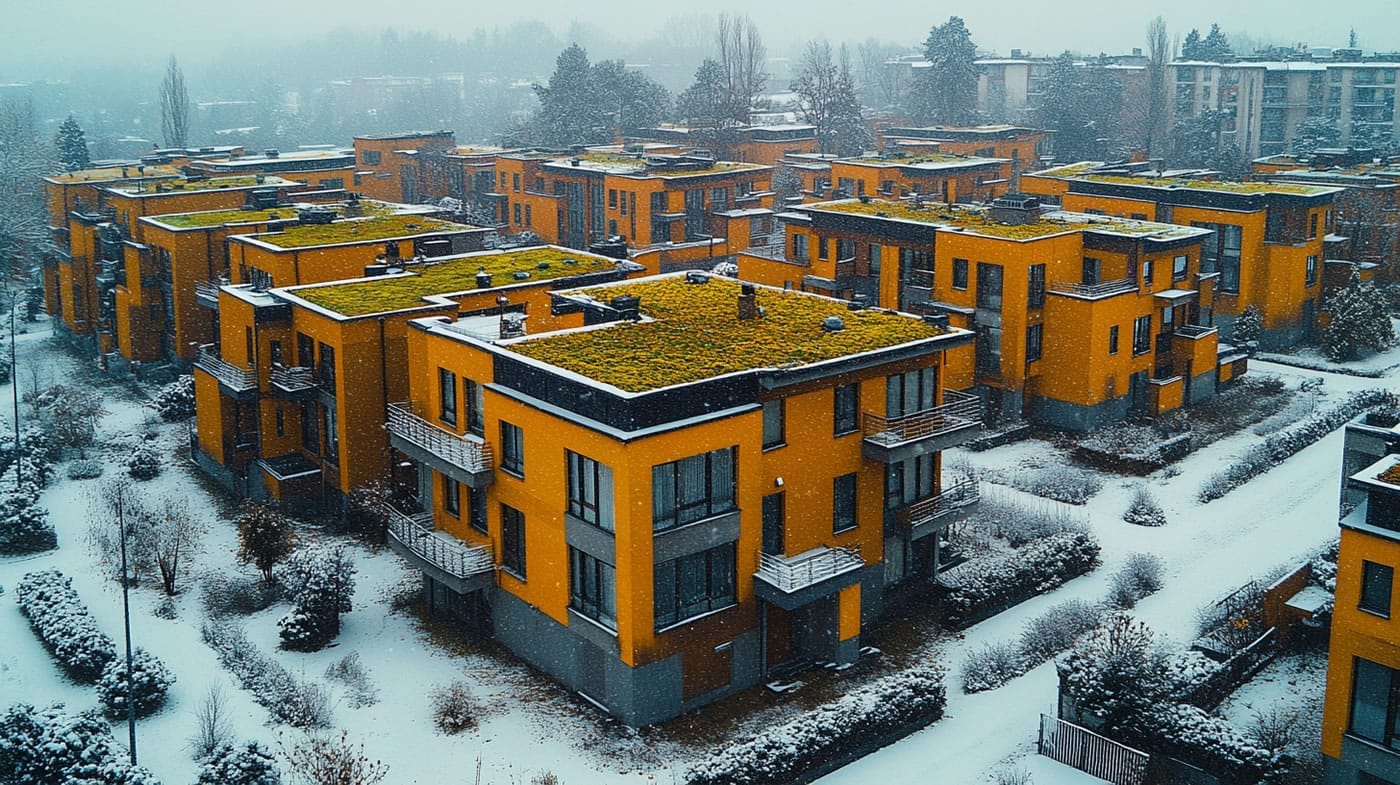
The new European regulations on the energy performance of buildings introduce, in phases, the obligation to install photovoltaic systems on new and renovated buildings, where this is technically and economically feasible. This requirement is likely to be gradually transposed into Romanian national legislation, and from a decarbonization perspective, the measure is justified. However, there is a risk that implementation may follow a monofunctional logic, where roof surfaces are fully occupied by photovoltaic panels, to the detriment of urban green infrastructure.
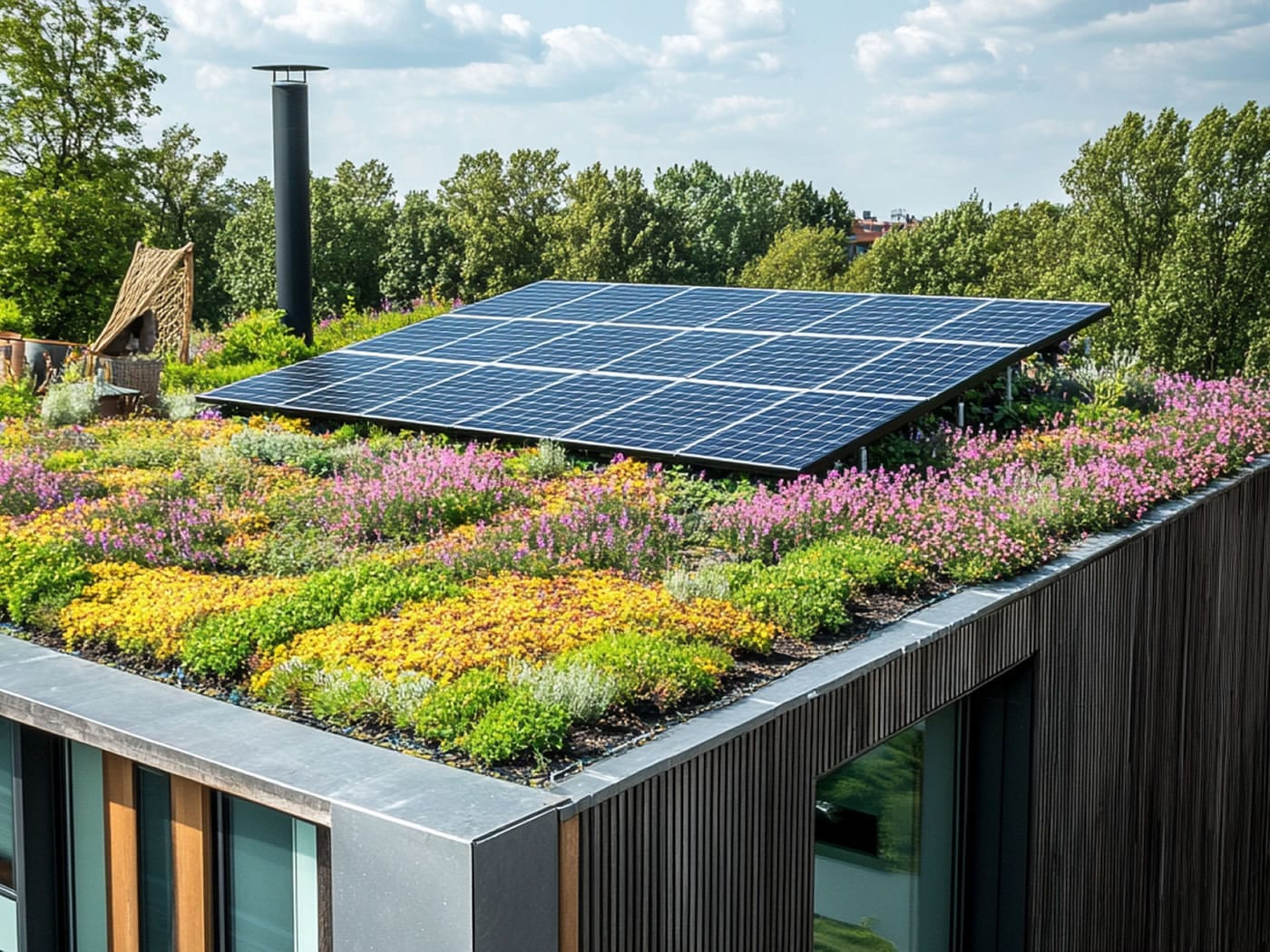
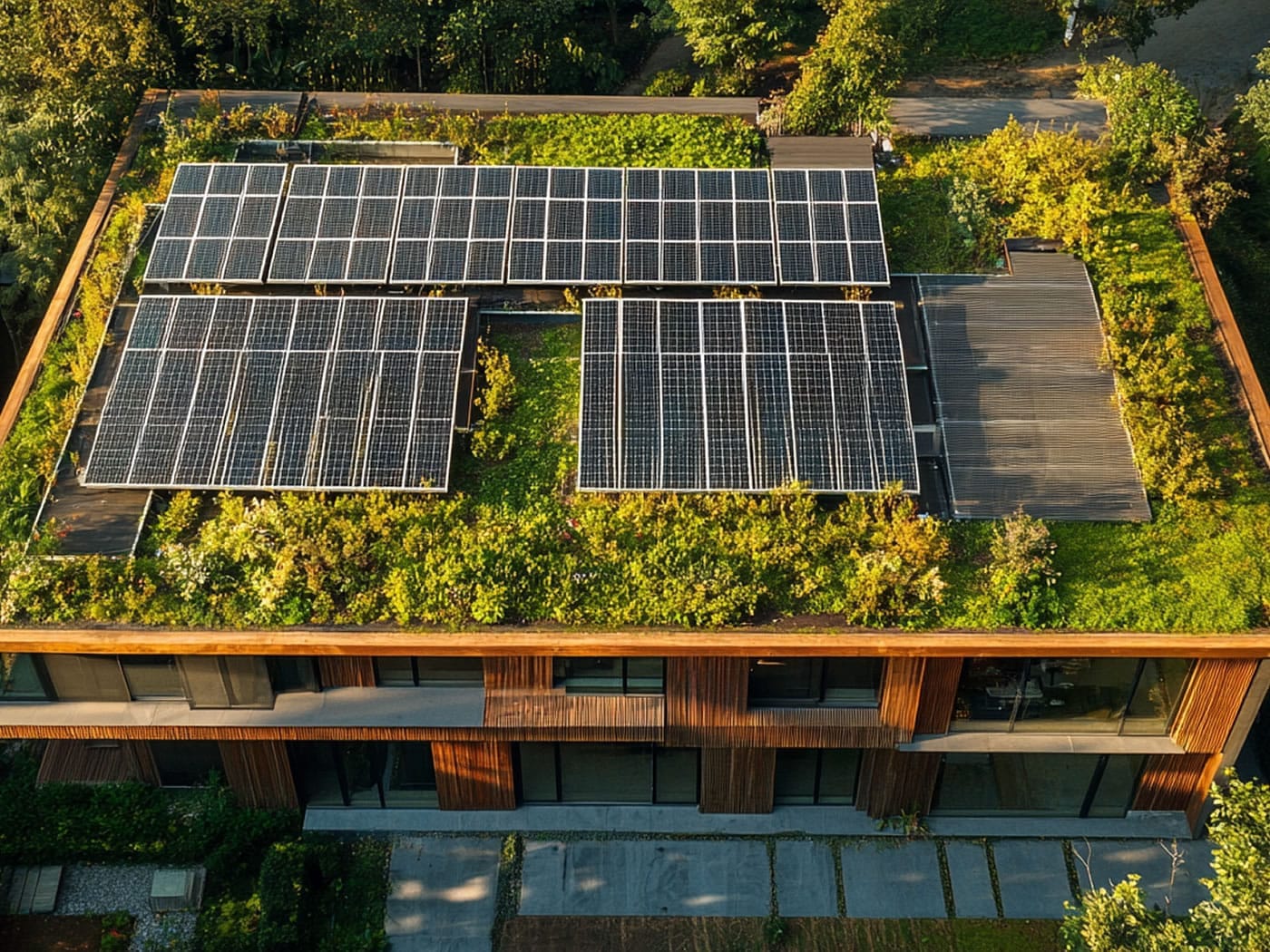
Current scientific literature clearly shows that this competition is unnecessary. We do not need to choose between green roofs and solar panels — the most effective solution is their integration into a single system: the biosolar roof.
The performance of photovoltaic panels is directly dependent on operating temperature. For crystalline modules, the temperature coefficient averages around −0.5% for each additional degree Celsius. An increase of 10°C can reduce efficiency by approximately 5%. On conventional bituminous or mineral roofs, surface temperatures often exceed 70–90°C in summer, meaning that PV systems operate precisely during periods of maximum solar radiation at temperatures that reduce their efficiency.
In addition, recent research describes the “photovoltaic heat island effect,” whereby dense panel installation can contribute to higher local temperatures. Climate modeling indicates an increase of around 0.2°C at urban scale in certain scenarios, and local air temperature differences exceeding 3–4°C under specific conditions. These findings do not challenge the benefits of solar energy, but they show that an exclusively photovoltaic approach may have side effects on the urban microclimate.
The biosolar roof functions efficiently through cooling. The system combines a functional vegetation layer with panels mounted above the vegetation, in a configuration that allows air circulation, light penetration, and maintenance access. Vegetation transforms a significant portion of solar energy into latent heat flux through evapotranspiration, reducing heat accumulation and lowering panel operating temperatures.
Studies synthesized in the documentation published by Converde indicate panel temperature reductions of up to 20°C in certain experimental comparisons and increases in energy production generally ranging between 0.8% and 8%, with specific cases reporting 13–18% gains on similar buildings. In combination with bifacial panels and optimized substrates, performance can increase further. Vegetation does not compete with the photovoltaic system; rather, it optimizes it and stabilizes performance during periods of high temperature.
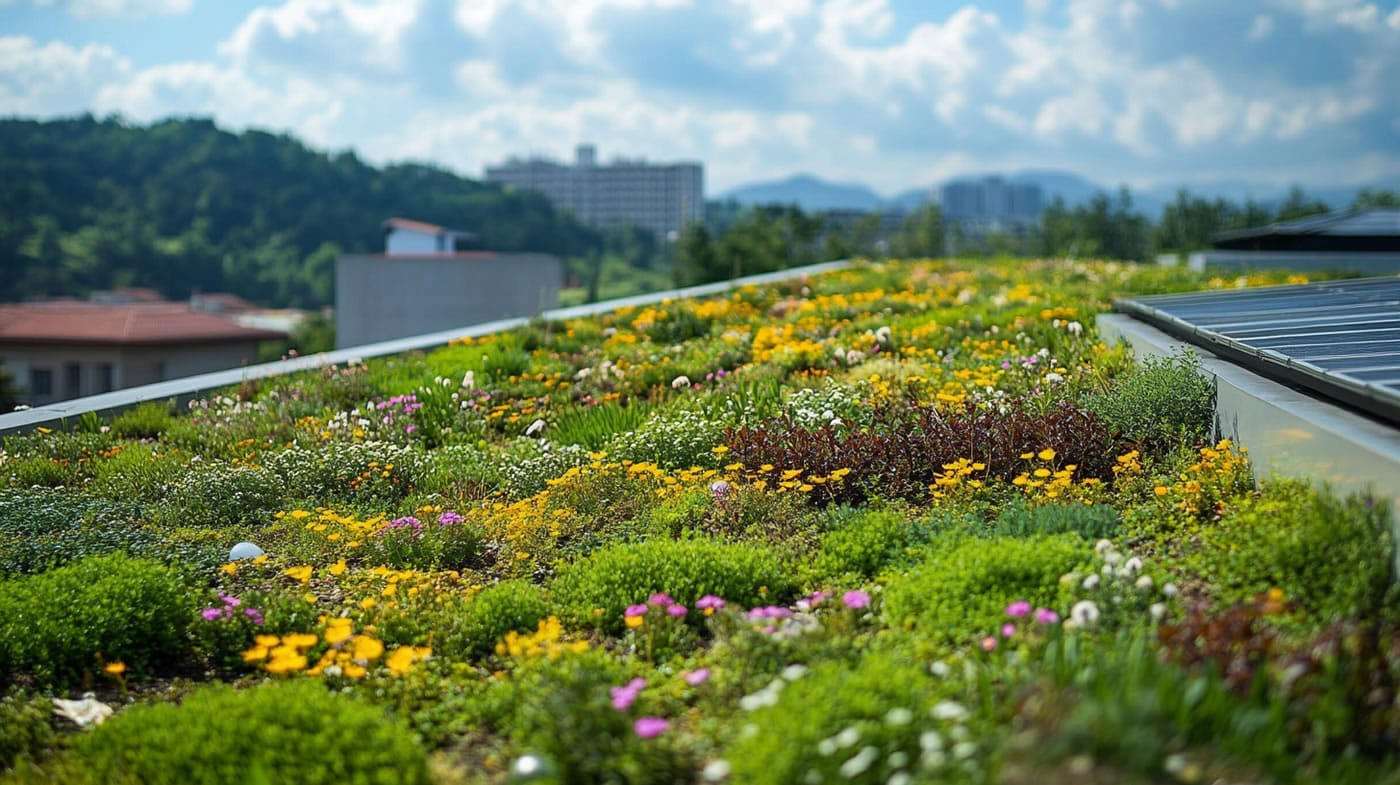
At the same time, biosolar roofs can generate additional building energy savings estimated between 2.0 and 6.8 kWh/m² annually, reduce lifecycle-related emissions, extend waterproofing lifespan by 2-3 times, and ensure retention of 50–80% of rainwater when correctly designed. European and Australian studies also indicate significant increases in urban biodiversity, including pollinating insects, due to the microhabitats created by the alternation of shaded and sunlit areas.
For Romania, this approach is particularly relevant. Increasingly hot summers reduce the efficiency of conventional PV systems, episodes of heavy rainfall place pressure on drainage infrastructure, and the shortage of green space in dense urban areas limits vegetation expansion at ground level. The biosolar roof allows compliance with potential mandatory photovoltaic installation requirements without sacrificing the essential ecological functions of green roofs.
In the analyses and proposals promoted by Converde, the transposition of the obligation to install photovoltaic systems into national legislation is linked to the need to explicitly recognize biosolar roofs as a priority and multifunctional solution. Rather than choosing between energy production and biodiversity, the regulatory framework should promote their integration and the evaluation of projects based on lifecycle performance rather than initial cost alone. The biosolar roof represents a simultaneous optimization of energy production, climate resilience, and urban green infrastructure. At a time when Romania is updating its energy and urban policies, the most effective and sustainable option is to use a single urban surface for both energy and ecological functions simultaneously.
Consultați broșura Acoperișurile biosolare – Soluție optimă pentru integrarea infrastructurii verzi și a energiei fotovoltaice în mediul urban